GIS Acoustic and UHF Partial-Discharge Inspection: An Anonymous Field Record
The supplied photographs show an inspection team working around gas-insulated switchgear. This page explains what can be responsibly learned from that visual record without turning an anonymized photo set into an unsupported fault claim.
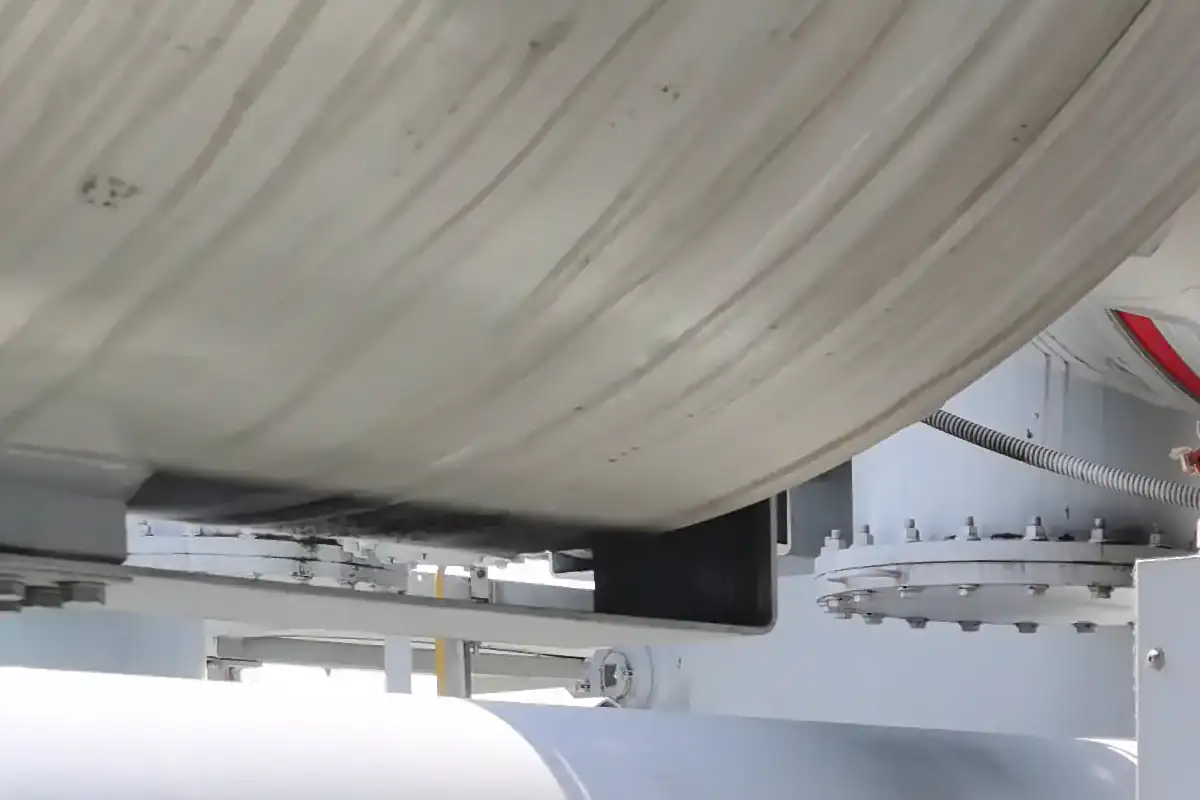
Observed in the supplied photographs: GIS-style metal enclosures, bolted access sections, and an operator positioning a handheld instrument near the equipment.
Not disclosed in the supplied material: asset identifiers, test readings, defect confirmation, gas pressure, voltage level, customer name, and exact site location.
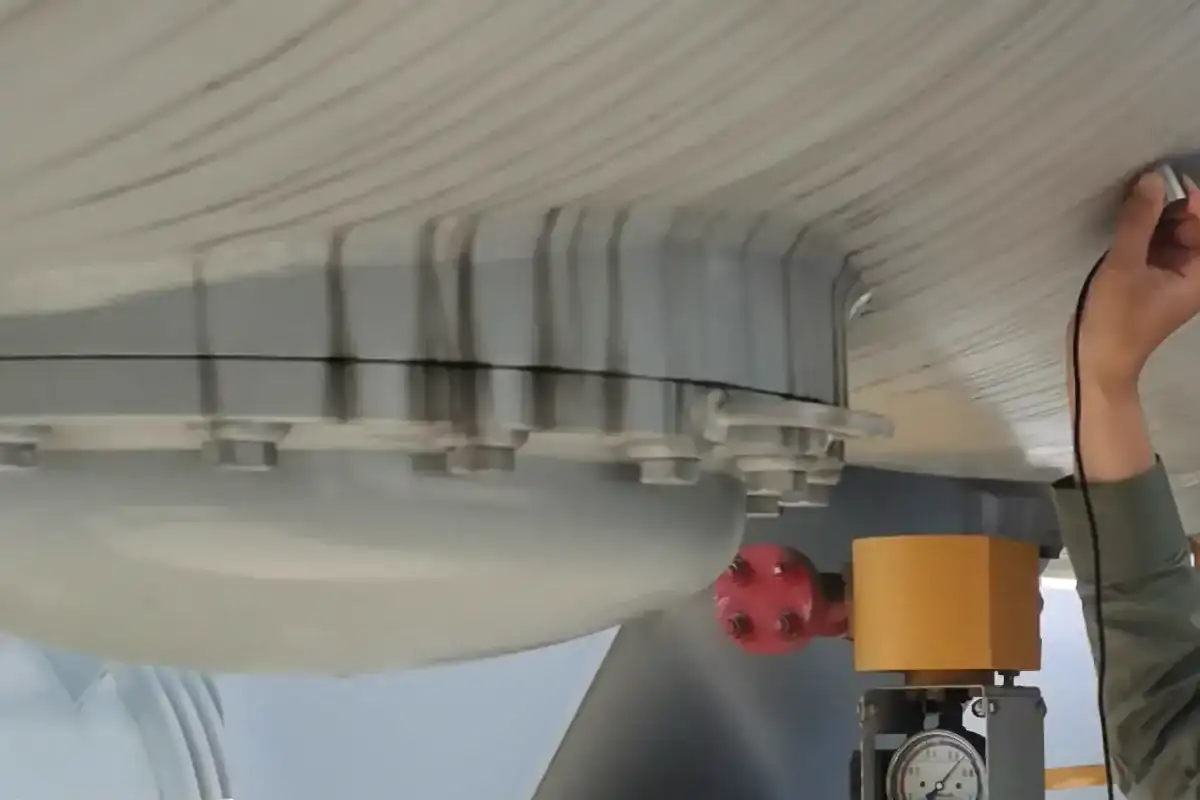
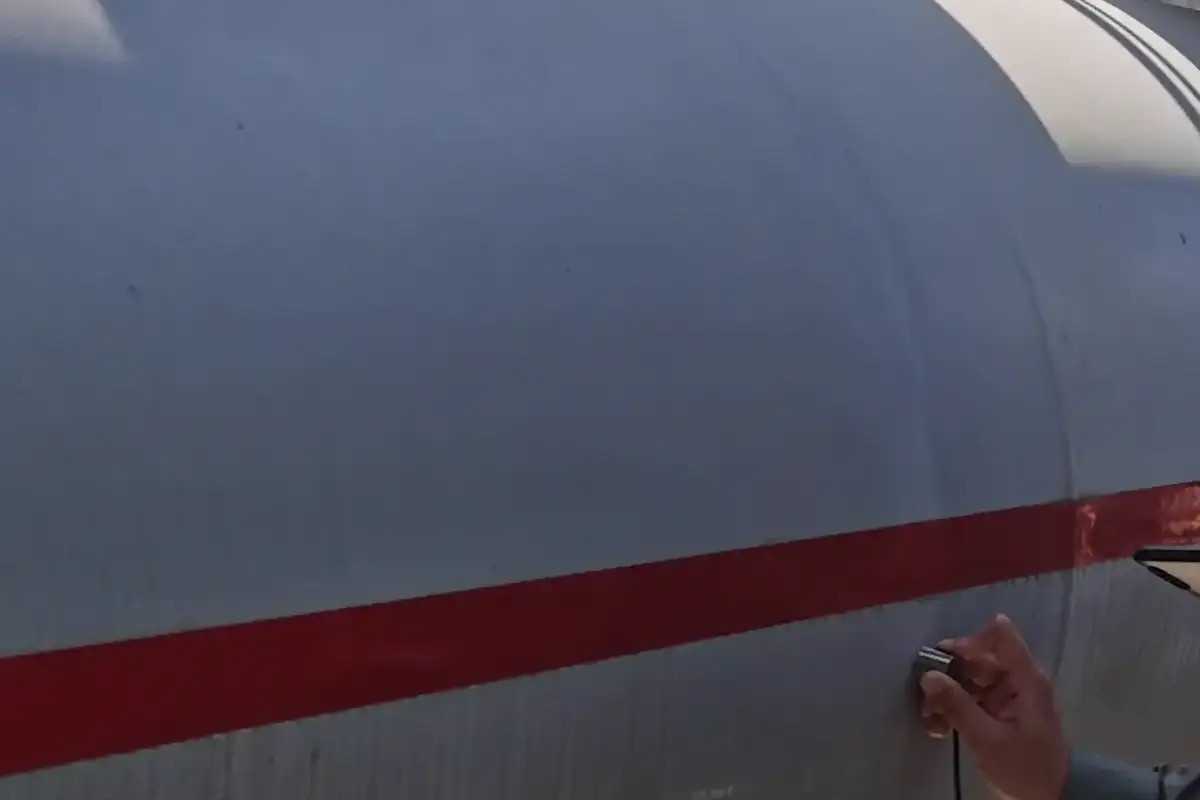
What the field record supports
The photographs support a narrow but useful conclusion: an inspection activity took place around GIS equipment, with attention directed toward enclosure surfaces and joints. They do not establish whether partial discharge was present, whether a leak existed, or whether any maintenance action followed.
For a formal GIS survey, a technician normally combines safe-distance scanning with a repeatable route. Typical checkpoints include flanges, density-monitor connections, bushings, cable terminations, access covers, and areas where geometry or shielding can affect the signal.
Acoustic and UHF workflow
- Review the asset map and previous inspection notes before entering the bay.
- Scan the enclosure from a consistent distance and record the instrument settings.
- Reposition around suspected joints to check whether a signal localizes to the same physical point.
- Compare acoustic, UHF, visual, and operating-condition evidence before classifying a finding.
- Save the original readings, asset reference, time, and follow-up recommendation in the inspection report.
Acoustic imaging can help locate ultrasonic emissions from gas flow or electrical activity, while UHF methods can capture high-frequency electromagnetic energy associated with some GIS discharge patterns. The methods are complementary; neither replaces engineering review or the equipment manufacturer’s procedure.
What is still required before a decision
A photo-only record cannot provide a dB level, UHF amplitude, phase pattern, leak rate, severity class, or repair result. Those values must come from the instrument files and the inspection report. In this supplied material, those details are not disclosed in the supplied material.
For background, see how acoustic cameras detect SF6 leaks in GIS switchgear and the substation partial-discharge workflow guide. Related equipment references include the GSW Series and SC Series.
Next step
Use the images as context for a structured survey request. Share the asset type, operating constraints, required working distance, and reporting format through the contact page so the correct inspection method can be matched to the application.
This anonymous field case study uses privacy-processed photographs supplied for publication. It does not identify the customer, facility, city, date, asset number, product model, measured result, or maintenance outcome.