TEV Partial-Discharge Screening in Medium-Voltage Switchgear
This privacy-processed image set focuses on switchgear cabinet context rather than people or identifiers. It explains how TEV screening fits into a maintenance workflow without claiming a result that the photographs do not contain.
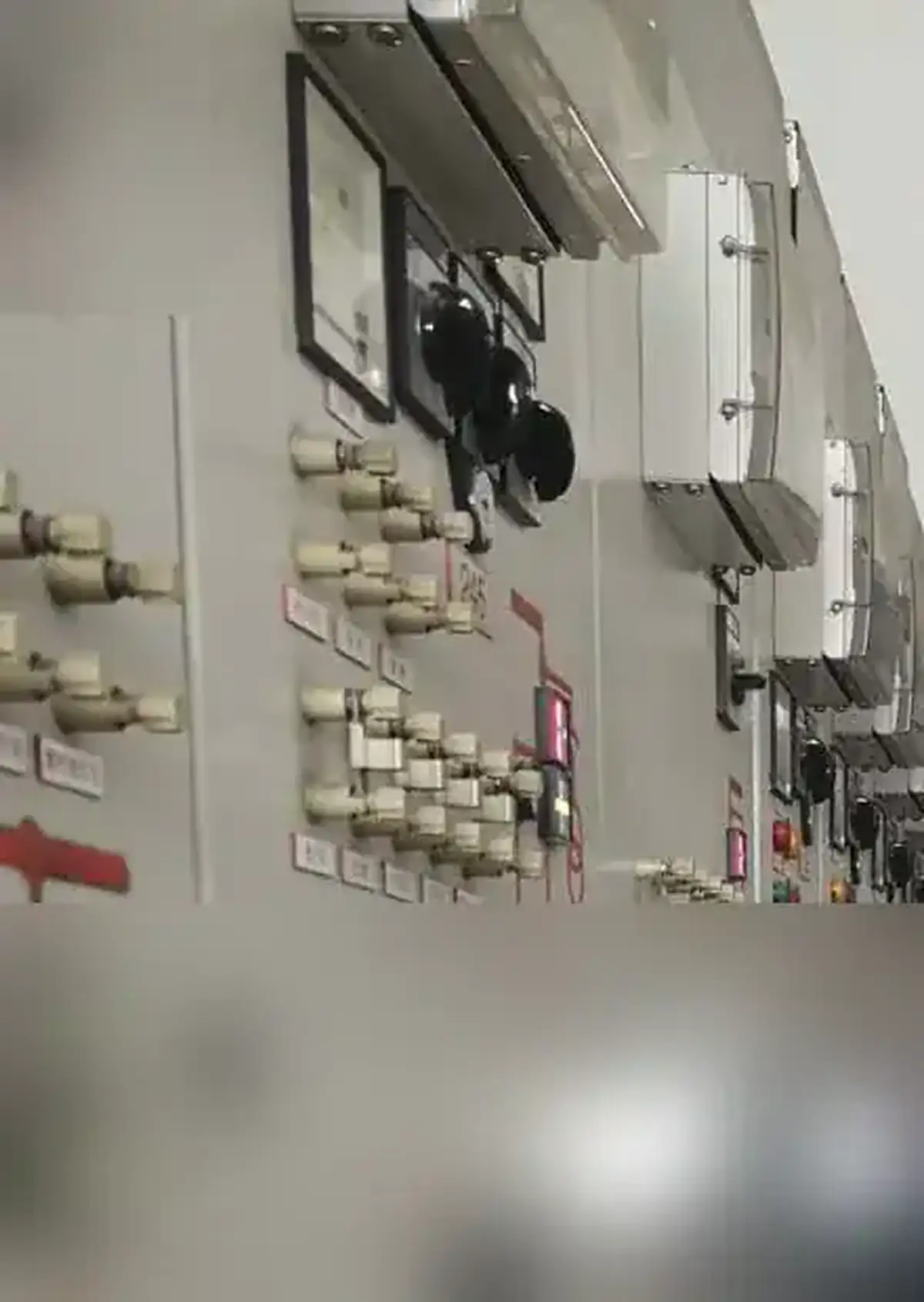
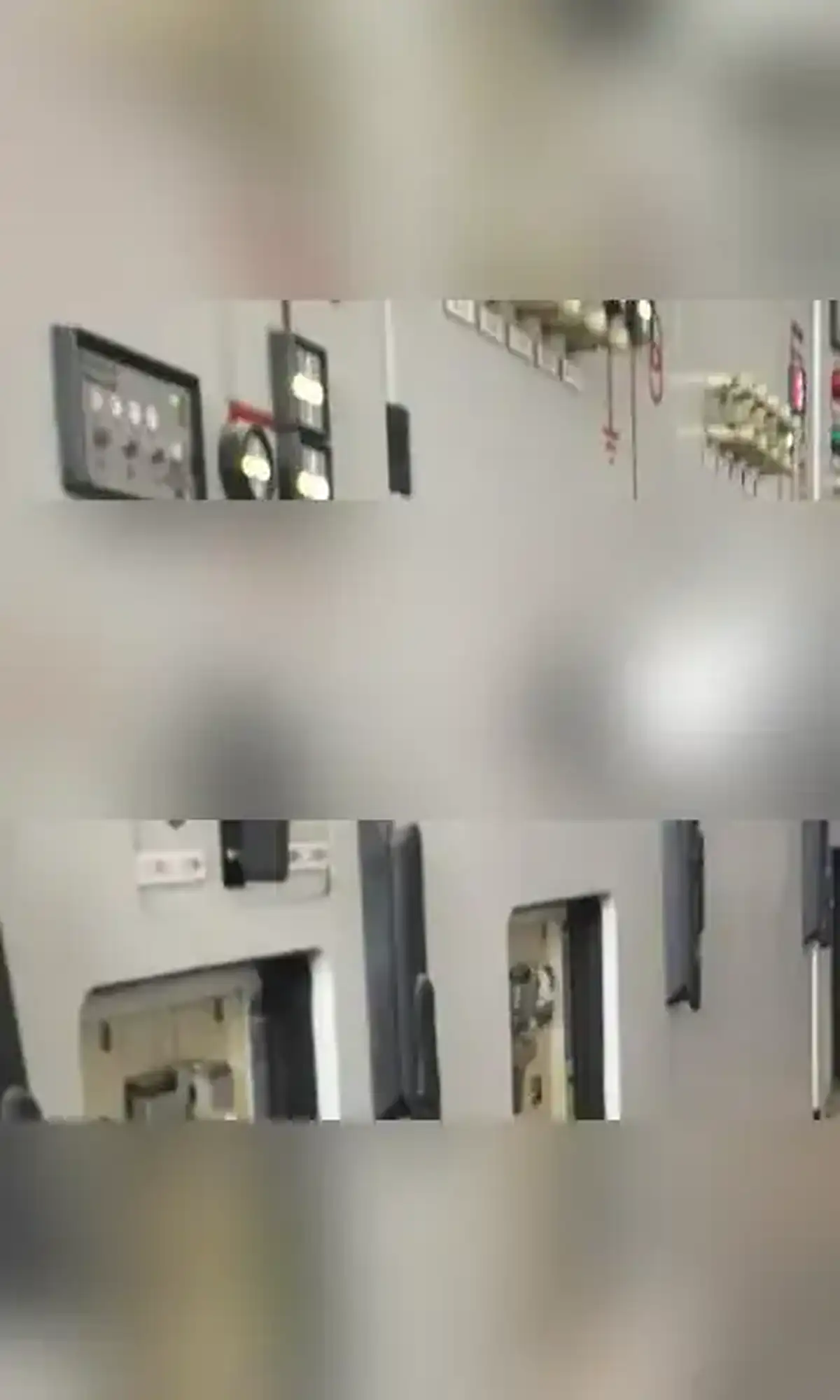
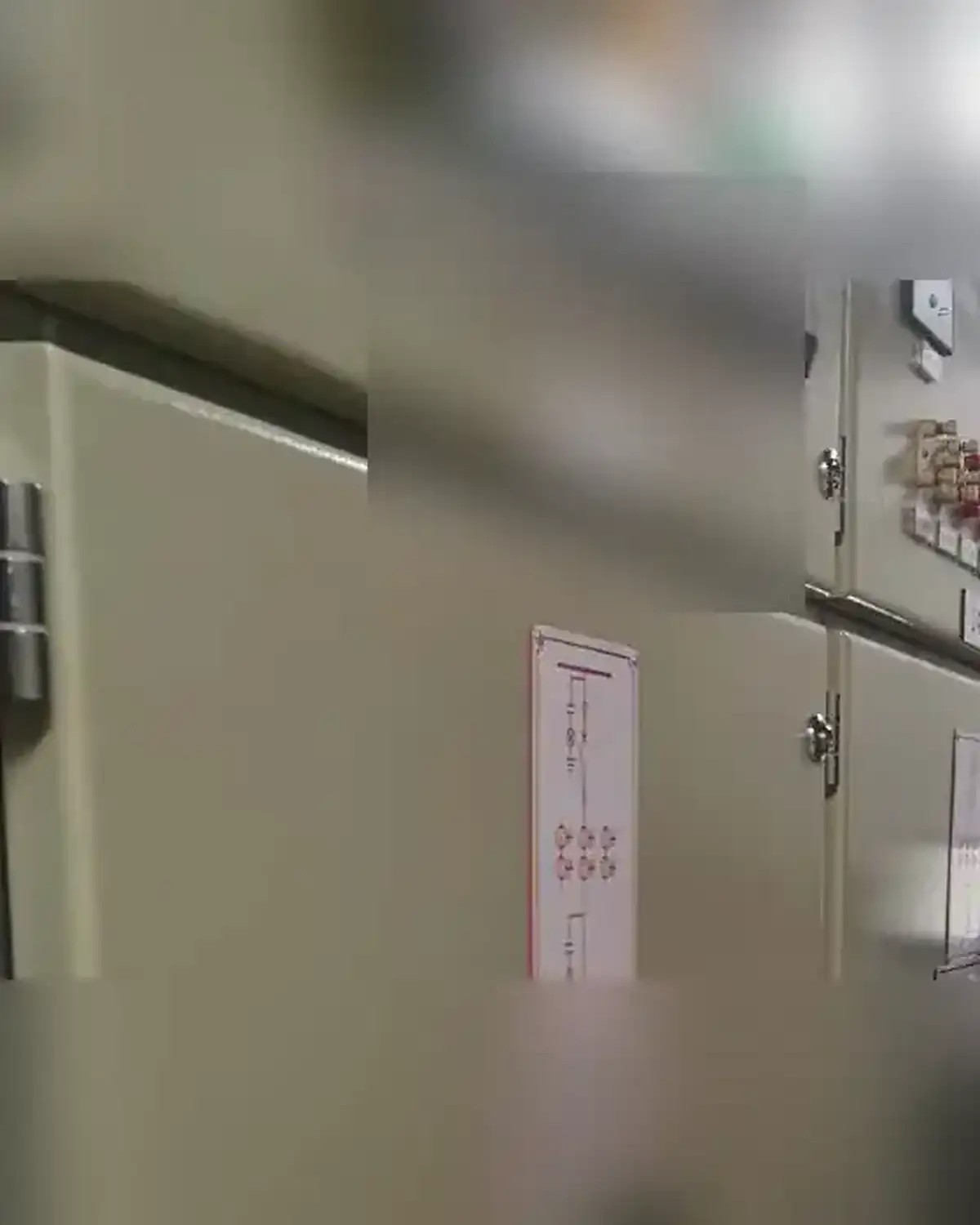
Observed in the supplied photographs: rows of medium-voltage switchgear cabinets, control interfaces, access doors, and an inspection instrument used near the cabinet face.
Not disclosed in the supplied material: TEV values, phase comparison, cabinet identifier, voltage class, defect confirmation, customer name, and exact site location.
What TEV screening is designed to do
Transient earth voltage screening looks for short-duration voltage pulses coupled onto the grounded metalwork of a switchgear enclosure. A technician normally checks multiple cabinet sections and compares readings across phases, neighboring panels, and repeated visits.
The photographs show the cabinet context and an inspection instrument, but not the instrument display or a validated trend. They are therefore evidence of an inspection activity, not proof of partial discharge.
Practical cabinet-level workflow
- Confirm the panel list and safety boundary before beginning the walkdown.
- Inspect the cabinet exterior, cable compartments, joints, doors, and earth-bonding areas according to the approved procedure.
- Record readings at repeatable positions and compare adjacent panels under similar operating conditions.
- Use ultrasonic, UHF, visual, or offline methods as appropriate to verify a suspicious result.
- Attach readings, phase references, environmental notes, and follow-up actions to the correct asset record.
Why the photo set has a narrow claim
The supplied material does not show TEV amplitude, phase pattern, noise floor, cabinet ID, or maintenance outcome. Those details are not disclosed in the supplied material. A formal report should not be reconstructed from cabinet appearance alone.
For comparison methods, read TEV vs acoustic camera partial-discharge detection and partial-discharge causes in medium-voltage switchgear. Related equipment references include the SC Series and SC Series PD Detector.
Next step
Share the switchgear arrangement, access requirements, and preferred output format through the contact page when requesting a screening plan.
This anonymous field case study uses privacy-processed photographs supplied for publication. It does not identify the customer, facility, city, date, asset number, product model, measured result, or maintenance outcome.