Ultraviolet and Acoustic Inspection in an Outdoor Substation
A multi-method survey can combine visual context with ultraviolet, acoustic, and thermal evidence. This anonymous case study explains the workflow while keeping the claim limited to what the supplied photographs support.
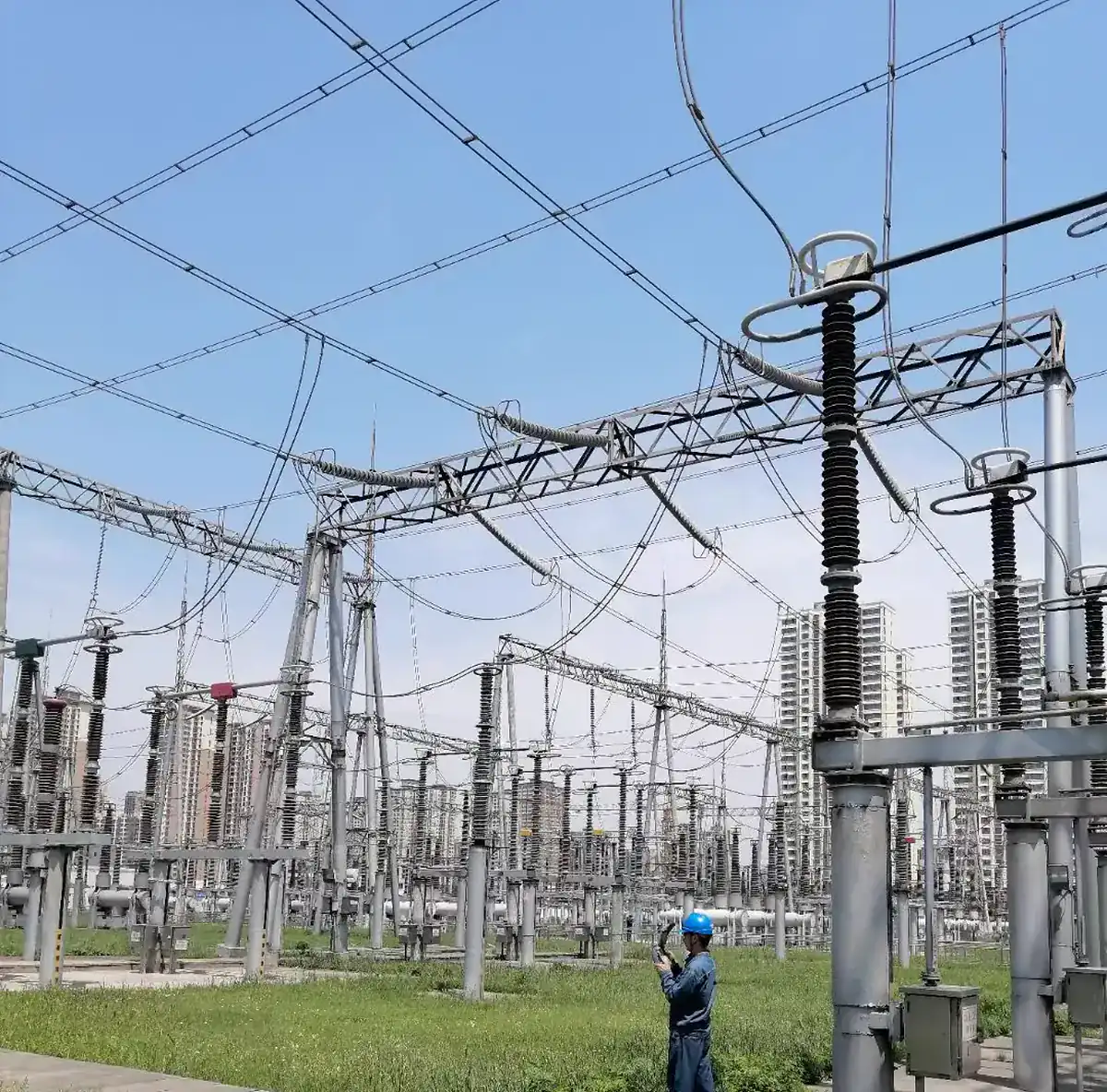
Observed in the supplied photographs: an outdoor substation yard, overhead conductors, insulators, and an inspection activity near the apparatus.
Not disclosed in the supplied material: ultraviolet discharge count, acoustic reading, thermal value, equipment identifier, fault status, customer name, and exact site location.
Why combine inspection methods
Different technologies expose different evidence. Ultraviolet imaging can help visualize corona in suitable daylight conditions, acoustic imaging can localize ultrasound from leaks or discharge, and thermal imaging can document heat patterns. A visible-light photograph provides the asset context needed to interpret any of them.
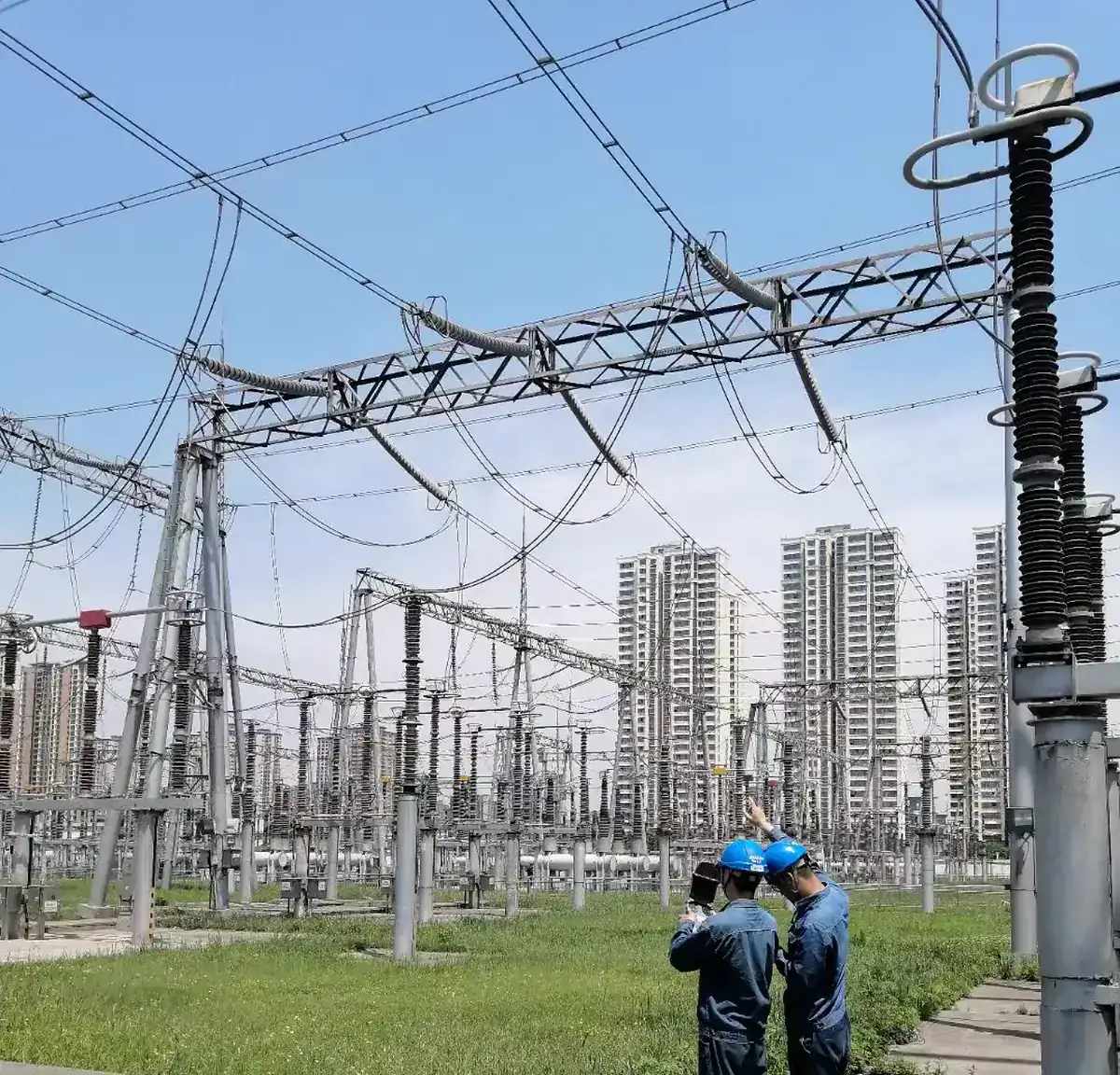
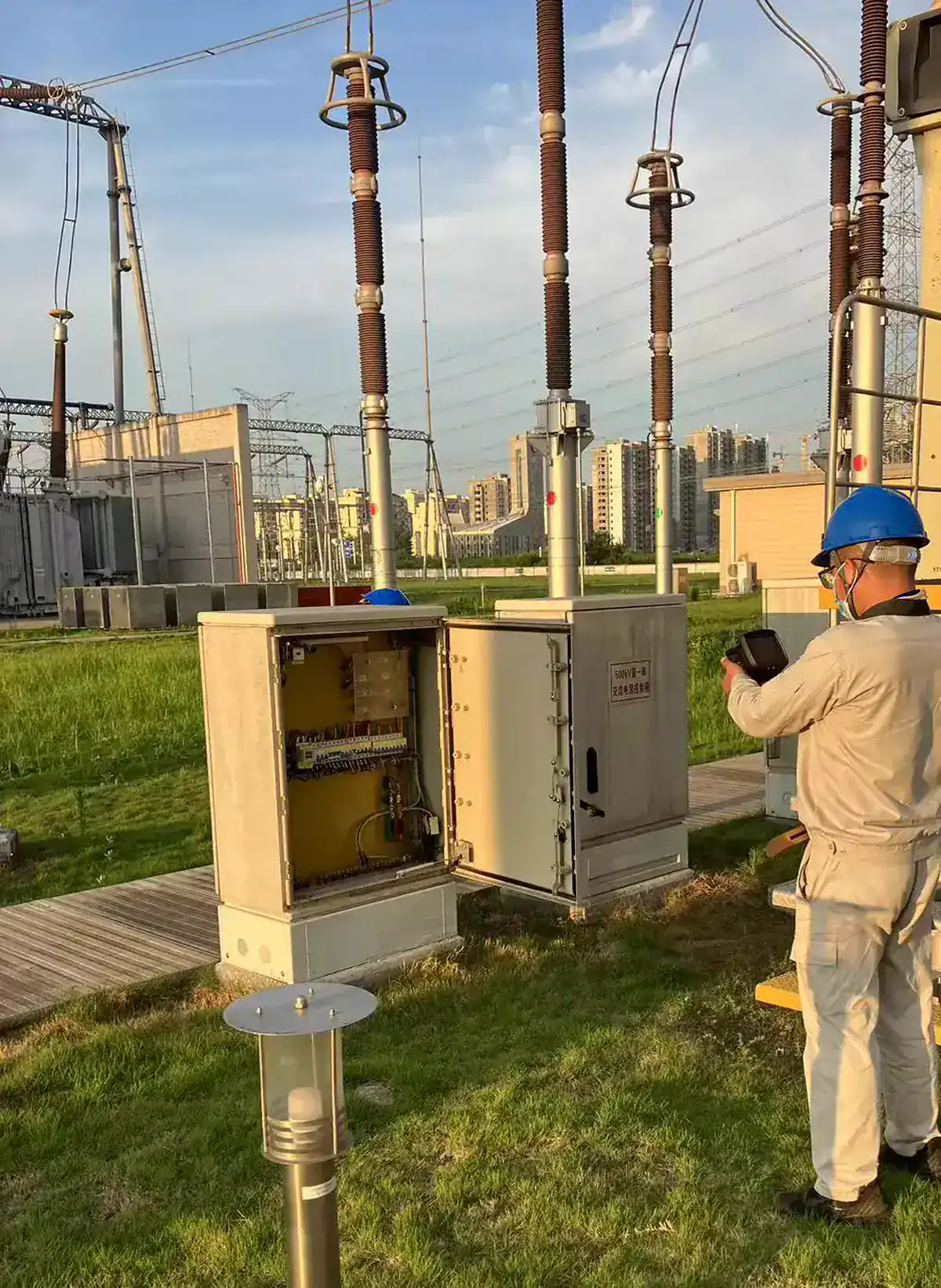
The supplied images show an outdoor inspection setting. They do not, by themselves, prove that corona, partial discharge, a gas leak, or an overheating connection was found.
A repeatable multi-method route
- Build the asset list and identify the safe observation points before the survey.
- Use visible-light images to establish orientation and capture the same equipment from comparable angles.
- Apply ultraviolet, acoustic, or thermal checks according to the suspected failure mode and environmental conditions.
- Compare phases, adjacent equipment, and previous records rather than judging a single image in isolation.
- Document the measurement settings, weather, load, and follow-up evidence in one asset-level report.
Evidence boundaries
The supplied material does not disclose a UV count, acoustic spectrum, thermal temperature, confirmed defect, or maintenance result. Those details are not disclosed in the supplied material. The page is an educational field record, not a claim about the condition of the pictured apparatus.
For related workflows, read acoustic imaging for corona detection and combined thermal and PD inspection. Related equipment references include the ESW64, SW234, and G Series.
Next step
Tell us which failure modes, distances, and report outputs matter through the contact page when planning a multi-method inspection.
This anonymous field case study uses privacy-processed photographs supplied for publication. It does not identify the customer, facility, city, date, asset number, product model, measured result, or maintenance outcome.